
Water Heater Repair and Replacement
We repair and replace gas and electric tank heaters and tankless units. Many heater problems come down to one part, not the whole heater, so we start by finding which part has failed.
When replacing is the better call, you get both prices and the reasons, and you decide.
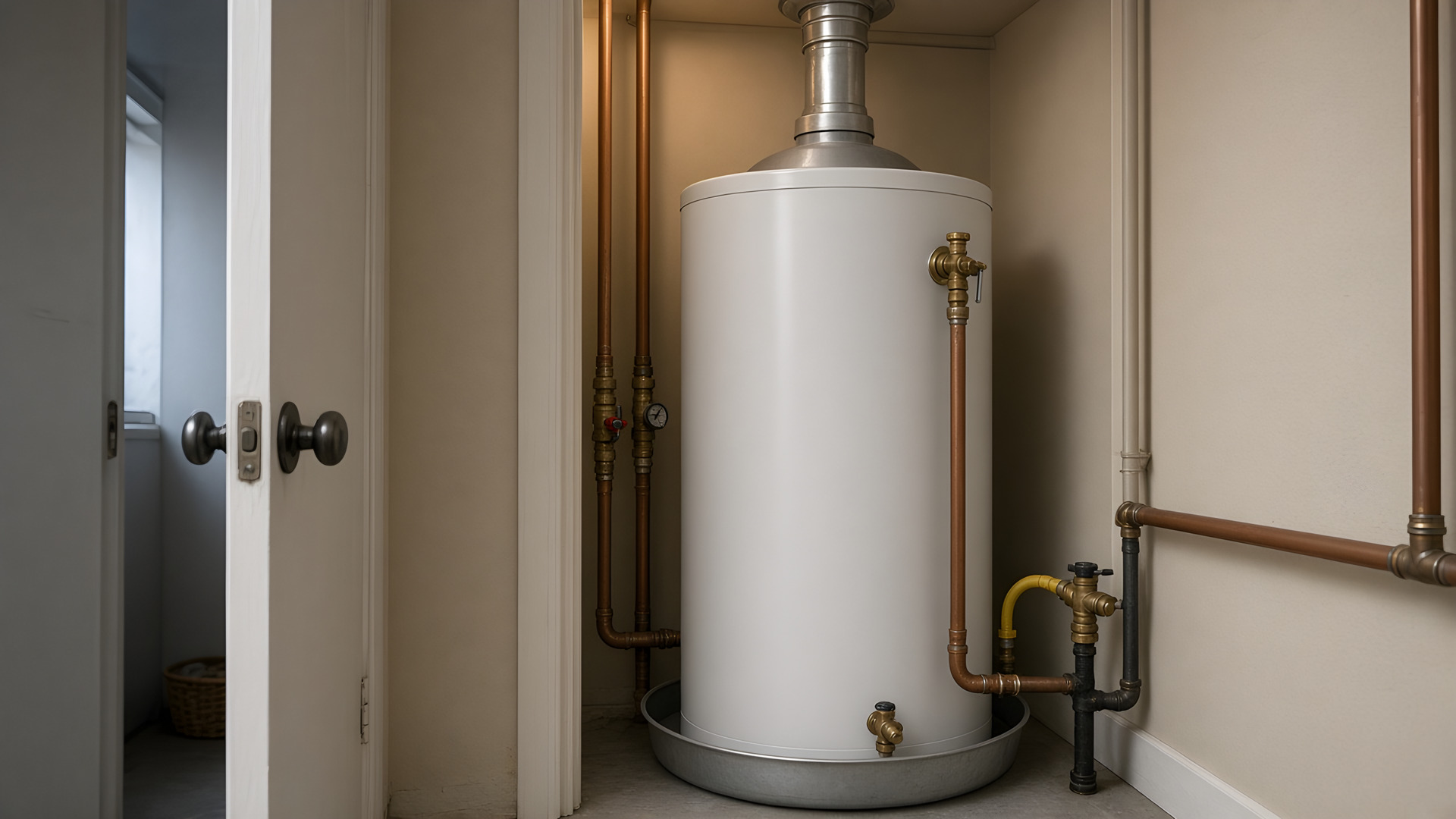
Use This Page If
- You have no hot water, or it runs out sooner than it used to
- The tank pops, rumbles or leaks
- The hot water is rusty or smells
- A tankless unit shows a code or shuts off
- You are thinking about switching from a tank to tankless, or back
See How a Water Heater Visit Goes
- 1We check the basics
Gas supply or power, the venting, the relief valve and the date on the label.
- 2We find the failed part
On gas units: thermocouple or flame sensor, gas valve, igniter and burner. On electric: elements and thermostats. On tankless: flow sensor, igniter, error history and scale.
- 3We say repair or replace
If the tank is leaking or the heater is near the end of its useful life, we say so and give you both prices. If a part fixes it, we fix it.
- 4We do the work
Most repairs happen on the same visit. A replacement includes draining and hauling the old heater, setting the new one and connecting gas, water, venting and the relief line.
- 5We flush or descale
On a repair, we flush the tank or descale the tankless unit while we are there if it needs it.
- 6We test and show you
We run hot water at several taps, check every joint and show you the shutoff and the drain valve.
Know What Moves the Price
- Repair or replace
- A part costs far less than a new heater.
- Tank or tankless
- Tankless units cost more to buy and install, and may need new venting and a larger gas line.
- Gas or electric
- Gas heaters need venting and a gas connection checked, and sometimes updated.
- Size
- A larger tank or a higher flow tankless unit costs more.
- Location
- A heater in a tight closet, attic or crawlspace takes longer than one in an open garage.
- Required updates
- An expansion tank, drain pan, seismic straps or a new relief line can be required with a new heater.
Know When Tankless Makes Sense Here
Tankless heaters save space and do not run out, but Basin water is hard on them. Without a softener or regular descaling, scale builds in the heat exchanger and the unit starts shutting off mid-shower. If you choose tankless, plan on yearly descaling, and we will install service valves so that job stays simple.
A good tank heater with a yearly flush is still the right choice for many homes, especially where a tankless unit would mean a new gas line and new venting.
Get Answers Before You Call
How long does a tank heater usually last on Uinta Basin water?
Often around ten years, and sometimes less when the water is hard and the tank is never flushed. Tankless units can last longer when they are descaled on schedule.
What is the small tank mounted above my water heater for?
That is an expansion tank. Water expands as it heats, and on a closed system, like most town water with a check valve at the meter, that pressure has nowhere to go. The expansion tank absorbs it so the relief valve does not drip and fittings are not strained.
Can the water heater go in a different spot when it is replaced?
Often, yes, but moving it means new water lines, a new gas line or circuit and new venting. We price both options so you can decide.
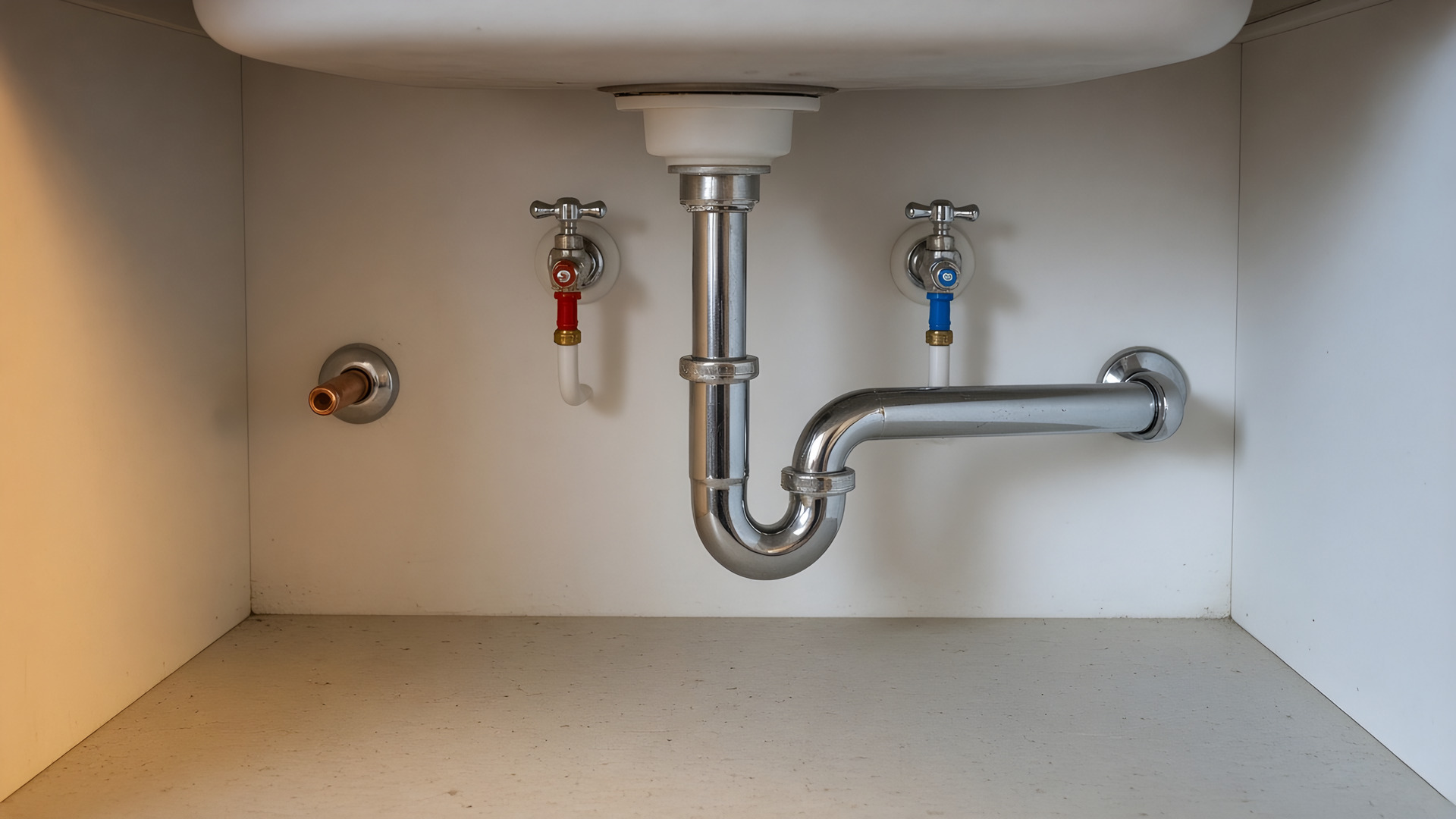
Talk It Through With a Plumber
Describe what you see and where. We will tell you what it likely is and what to shut off while you wait.
Call (435) 417-3556